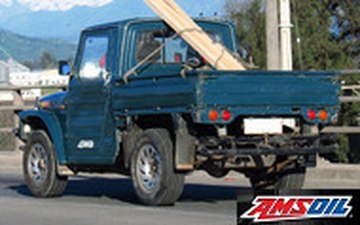
Lubrication Maintenance for 1981 Suzuki LJ80, LJ81 1.0L
Maintaining the engine of a 1981 Suzuki LJ80 or LJ81 requires a disciplined approach to fluid management and regular inspections. Because these vehicles rely on consistent lubrication to manage internal friction and heat, staying ahead of routine service tasks is essential for long-term operation. Proper care involves more than just periodic oil changes; it requires an observant eye for how the engine behaves and how its various components respond to use over time.
Monitoring Engine Fluid Integrity
One of the most effective ways to monitor the health of a 1.0L Suzuki engine is through regular observation of the lubricant itself. The condition of the oil can provide clues about the internal environment of the engine. When performing routine checks, it is useful to look for changes in the color or consistency of the fluid. For example, an extremely dark or gritty texture might suggest that the oil has been subjected to heavy thermal stress or that contaminants are present.
Beyond just checking levels, observing how the vehicle consumes lubricant is a vital part of ownership. If you notice that you are needing to add oil more frequently than usual between service intervals, this warrants a closer inspection. Such changes can be associated with various factors, including aging seals or changes in operating conditions. Rather than attempting to diagnose a specific cause immediately, an owner should treat increased consumption as a signal to investigate the engine's sealing surfaces and overall condition.
Observing Potential Warning Signs
While many mechanical issues develop gradually, some signs require more immediate attention. When operating your 1981 Suzuki, pay close attention to any unusual sounds or changes in performance that coincide with engine operation. While a single symptom does not provide a definitive diagnosis—as multiple factors can cause similar effects—certain indicators should never be ignored.
Visible signs of fluid seepage around the engine block or near various gaskets and seals are important to note. If you observe fresh fluid accumulating on the underside of the vehicle or on the engine casing, it may indicate that a seal is no longer providing an effective barrier. Additionally, any changes in exhaust characteristics, such as unusual smoke, should be investigated. These symptoms can have many different origins, ranging from minor seepage to more significant internal issues, and professional verification is often necessary to determine the exact source.
If your vehicle is equipped with an oil pressure indicator or warning light, any unexpected activation of this system requires immediate investigation. An oil pressure warning is a critical signal that the lubrication system may not be functioning as intended, and continuing to operate the engine under these conditions can lead to significant mechanical issues.
Prioritizing Long-Term Maintenance Decisions
As a vehicle ages, the strategy for maintenance often shifts from simple part replacement to condition-based monitoring. For an owner of a 1981 Suzuki LJ80 or LJ81, this means using the current state of the vehicle to dictate service priorities rather than relying solely on the age of the machine.
If you are stepping into ownership of a vehicle with an incomplete service history, establishing a maintenance baseline is a practical first step. This involves performing a thorough inspection of all fluids, filters, and accessible engine components to understand the current "starting point" of the vehicle's health. Once this baseline is established, you can begin keeping detailed records of every oil change, filter replacement, and observed repair. These records are invaluable for identifying patterns, such as whether a specific component is beginning to show signs of wear or if fluid consumption is trending upward.
When deciding where to focus your efforts, address active leaks or any identified warning signs first. Preventive maintenance—such as replacing aging hoses or inspecting electrical connections—is highly beneficial, but it should be balanced against the immediate needs of the engine. Distinguishing between a component that is simply old and one that is actually showing signs of functional deterioration allows for more efficient and cost-effective ownership.
Inspecting Aging Engine Components
Over decades of service, various materials within the engine bay undergo natural changes. When performing routine maintenance on your 1981 Suzuki, it is wise to include a visual inspection of age-sensitive components. This includes checking the condition of any accessible belts and hoses that may be present.
For belts, look for evidence of cracking, glazing, or fraying along the edges. For hoses, inspect them for signs of brittleness, swelling, or soft spots that might indicate the material is breaking down. Similarly, inspecting electrical connectors and wiring for signs of corrosion or insulation damage can prevent unexpected electrical issues. These inspections are most effective when performed regularly, as they allow you to catch minor deterioration before it leads to a component failure.
Effective Record Keeping for Engine Health
A well-documented maintenance history is one of the best tools an owner has for managing an older vehicle. By recording the dates and details of every lubrication service, you create a roadmap of the engine's life. This documentation helps in several ways:
- It allows you to track the frequency of oil consumption or fluid loss over time.
- It provides a clear history for any future mechanical work, ensuring that repairs are built upon a known foundation.
- It assists in identifying whether certain maintenance tasks need to be performed more frequently due to the vehicle's specific usage patterns.
Whether you use a digital log or a physical notebook, the goal is to maintain a consistent and accurate account of what has been done to the 1.0L engine and when.
Practical Steps for Buying Engine Oil for your 1981 Suzuki LJ80, LJ81 1.0L
When it is time to replenish your engine's lubricant, the most important step is to ensure that the product you select matches the specific requirements of your application. Rather than relying on general automotive knowledge or assumptions based on the vehicle's age, always refer to the application-specific viscosity and oil information provided on this webpage.
Before making a purchase, carefully check the product labeling to confirm it meets the necessary standards for your engine. You may encounter various formulations, including conventional oils, synthetic blends, or full synthetic options. Some high-mileage oil formulations also contain additives intended for use in aging engines, such as seal-conditioning agents. While these can be useful, your primary focus should always be on matching the viscosity and quality specifications listed in your vehicle's technical data. By prioritizing the information displayed here over guesswork, you ensure that your 1981 Suzuki receives the exact lubrication it needs for optimal operation.